

Are you an artisan looking to showcase your creations to a global audience? In today’s digital age, finding the best platforms for selling handmade crafts is crucial for turning your passion into a thriving business. But with so many options available, where do you start?
Imagine waking up to notifications of overnight sales, your unique creations finding homes across the world while you sleep. It’s not just a dream – it’s the reality for many successful craft entrepreneurs who have found their niche in the vast landscape of online marketplaces.
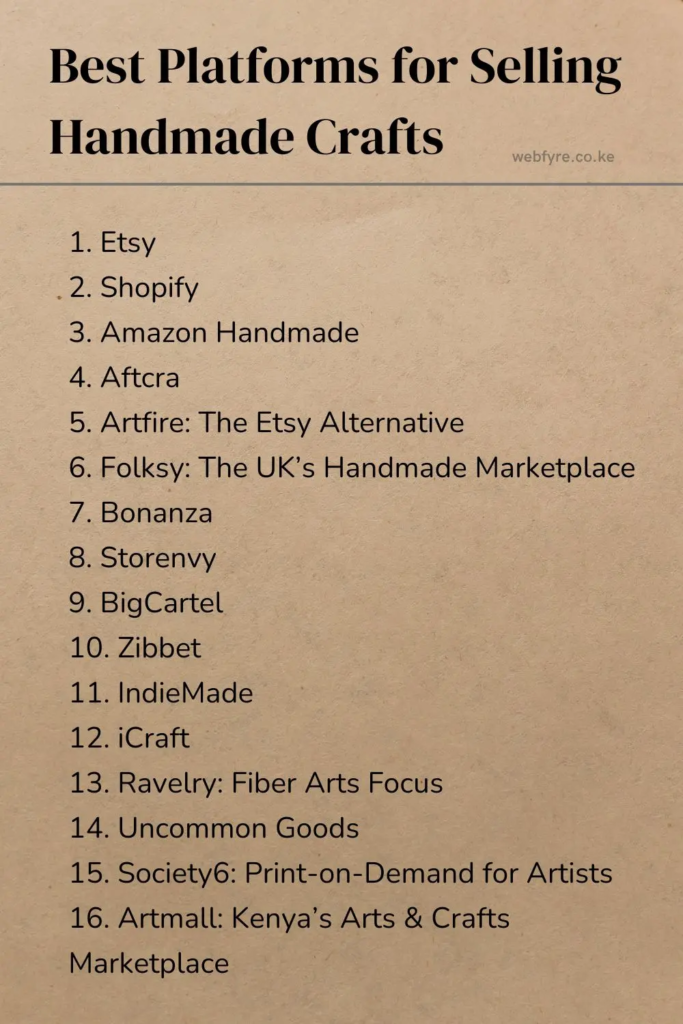
Whether you’re a seasoned seller or just starting your journey, this comprehensive guide will walk you through the 16 best platforms for selling handmade crafts, helping you find the perfect fit for your artisan business.
Benefits of Selling in Online Marketplaces
Selling handmade crafts on online marketplaces offers several advantages:
- Expanded Reach: Access a global customer base beyond your local market.
- Increased Visibility: Benefit from the platform’s existing traffic and search capabilities.
- Established Trust: Leverage the platform’s reputation to build customer confidence.
- Reduced Operational Costs: Save on website development, hosting, and marketing expenses.
- Simplified Sales Process: Utilize built-in payment and shipping systems.
- Data and Analytics: Gain valuable insights into customer behavior and preferences.
- Customer Support: Rely on the platform’s customer service resources.
- Monetization Opportunities: Explore additional income streams like advertising or sponsored listings.
Best Platforms for Selling Handmade Crafts
Discover 16 best platforms for selling handmade crafts. From established marketplaces to niche sites, find the perfect e-commerce solution for your artisan business.
Table of Contents
1. Etsy
When it comes to online marketplaces for artisans, Etsy remains the undisputed champion. Founded in 2005, this platform has become synonymous with handmade and vintage items.
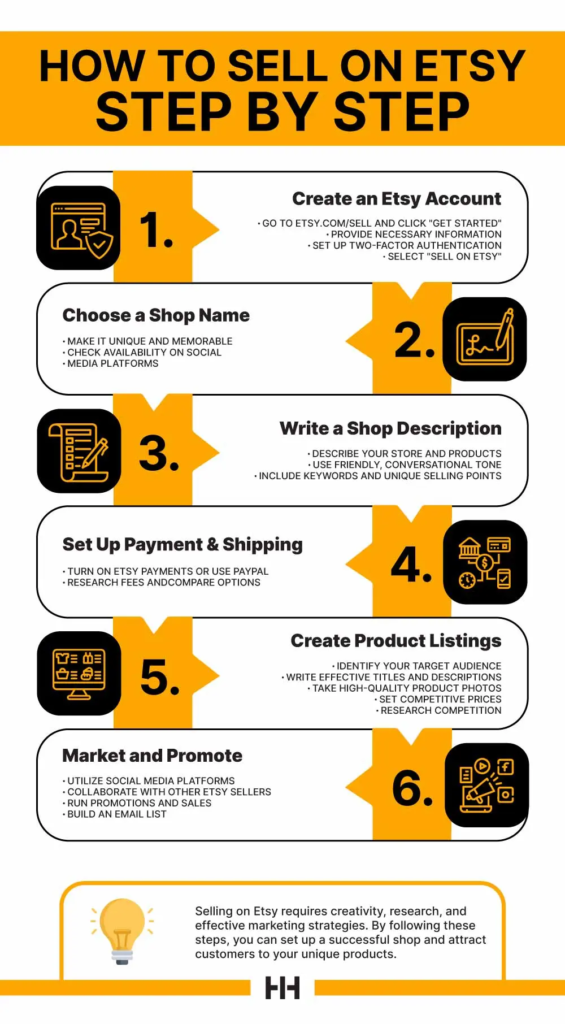
Key Features:
- Massive built-in audience of craft enthusiasts
- User-friendly interface for sellers
- Etsy Studio for craft supplies
- Etsy Plus and Pattern for more advanced selling tools
Pros:
- High traffic and brand recognition
- Supportive community of sellers
- Integration with social media and other e-commerce tools
Cons:
- High competition
- Fees can add up (listing, transaction, and payment processing)
Ideal for: Both beginners and established crafters looking for a large, craft-focused audience.
2. Shopify
While not exclusively for handmade items, Shopify offers unparalleled customization and control for serious craft entrepreneurs.
Key Features:
- Fully customizable online store
- Robust inventory management
- Multiple sales channels integration (including social media)
- Extensive app store for added functionality
Pros:
- Complete control over branding and customer experience
- Scalability for growing businesses
- 24/7 customer support
Cons:
- Monthly subscription fee
- Steeper learning curve compared to marketplace platforms
Ideal for: Crafters ready to build their brand and looking for a professional, scalable solution.
3. Amazon Handmade
Amazon’s foray into the handmade market offers crafters access to its massive customer base.
Key Features:
- Artisan-only section within Amazon
- Customizable shop profile
- Fulfillment by Amazon option
Pros:
- Exposure to Amazon’s vast customer base
- No listing fees (only pay when you sell)
- Benefit from Amazon’s trusted brand and logistics
Cons:
- High competition
- Less control over shop appearance
- Strict approval process for sellers
Ideal for: Established crafters with production capacity to meet potential high demand.
4. Aftcra
Focusing exclusively on American-made handcrafted items, Aftcra offers a unique niche for US-based artisans.
Key Features:
- Strict “Made in America” policy
- No listing fees
- Customizable shop pages
Pros:
- Less competition compared to larger platforms
- Appeals to customers seeking American-made products
- Supportive community of US-based artisans
Cons:
- Smaller customer base
- Limited to US-based sellers
Ideal for: US-based crafters looking for a patriotic angle to their sales strategy.
5. Artfire: The Etsy Alternative
Artfire positions itself as a direct competitor to Etsy, offering similar features with some unique twists.
Key Features:
- Rapid checkout system
- built-in marketing tools
- Customizable shop design
Pros:
- Lower fees compared to Etsy
- Good SEO features for shop visibility
- Active seller community
Cons:
- Smaller customer base than major competitors
- Less name recognition
Ideal for: Crafters looking for an Etsy alternative with lower fees and more customization options.
6. Folksy: The UK’s Handmade Marketplace
For British artisans, Folksy offers a dedicated platform to showcase and sell their handmade creations.
Key Features:
- Focus on British handmade items
- Simple, user-friendly interface
- Regular features and promotions for sellers
Pros:
- Strong community of UK-based makers and buyers
- Lower competition compared to global platforms
- Emphasis on supporting local craftsmanship
Cons:
- Limited to UK-based sellers
- Smaller audience compared to international platforms
Ideal for: UK-based crafters looking to tap into the local handmade market.
7. Bonanza
Bonanza has been gaining traction as a seller-friendly alternative to larger marketplaces.
Key Features:
- Easy import of listings from other platforms
- Advanced marketing tools
- No listing fees
Pros:
- Lower fees compared to many competitors
- Good customer service for sellers
- Emphasis on unique and handmade items
Cons:
- Less name recognition than major platforms
- Smaller customer base
Ideal for: Sellers looking for a balance between marketplace features and lower costs.
8. Storenvy
Storenvy combines a social shopping experience with customizable storefronts for a unique selling approach.
Key Features:
- Free customizable online store
- Social marketplace for additional exposure
- Built-in social features for customer engagement
Pros:
- No monthly fees for basic stores
- Good for building a brand community
- Easy to use for beginners
Cons:
- Less traffic compared to major platforms
- Limited features in free plan
Ideal for: Crafters who enjoy social media marketing and community building.
9. BigCartel
BigCartel caters specifically to artists and makers, offering simple, customizable online stores.
Key Features:
- Easy-to-use store builder
- Integration with social media platforms
- Real-time stats and analytics
Pros:
- Free plan available for up to 5 products
- No transaction fees (you only pay payment processing fees)
- Designed with artists in mind
Cons:
- Limited features compared to more robust platforms
- Less built-in traffic than other marketplaces
Ideal for: Artists and small-scale crafters looking for a simple, low-cost solution.
10. Zibbet
Zibbet offers a unique approach by allowing sellers to manage listings across multiple platforms from one dashboard.
Key Features:
- Sell on Etsy, eBay, and Zibbet’s own marketplace from one place
- Inventory sync across platforms
- Built-in marketing tools
Pros:
- Time-saving for sellers using multiple platforms
- No additional fees for selling on partner sites
- Good for maximizing exposure across marketplaces
Cons:
- Monthly subscription fee
- Own marketplace has less traffic than major competitors
Ideal for: Experienced sellers looking to expand their reach across multiple platforms efficiently.
11. IndieMade
IndieMade offers a comprehensive package for artisans, combining an online store with a blog and portfolio.
Key Features:
- Customizable website with built-in e-commerce
- Blogging platform for content marketing
- SEO tools and social media integration
Pros:
- All-in-one solution for selling and marketing
- Reasonable monthly fees
- Good for building a branded online presence
Cons:
- Steeper learning curve than simple marketplace platforms
- No built-in marketplace traffic
Ideal for: Crafters looking to build a comprehensive online presence beyond just selling.
12. iCraft
iCraft is dedicated exclusively to handmade items, offering a focused platform for artisans.
Key Features:
- Strict handmade-only policy
- No listing fees
- Customizable shop pages
Pros:
- Targeted audience of handmade enthusiasts
- Less competition than on larger platforms
- Supportive community of makers
Cons:
- Smaller customer base
- Less name recognition
Ideal for: Purist handmade crafters looking for a dedicated, niche platform.
13. Ravelry: Fiber Arts Focus
For knitters, crocheters, and other fiber artists, Ravelry offers a unique combination of community and marketplace.
Key Features:
- Massive community of fiber enthusiasts
- Pattern marketplace
- Project sharing and social features
Pros:
- Highly targeted audience for fiber crafts
- Strong community engagement
- Low fees for pattern sales
Cons:
- Limited to fiber arts
- More focused on patterns than finished products
Ideal for: Fiber artists, especially those selling patterns or supplies.
14. Uncommon Goods
Uncommon Goods offers a curated selection of unique and handmade items, providing a high-end platform for select artisans.
Key Features:
- Highly curated selection process
- Emphasis on unique and innovative designs
- Strong brand recognition for quality handmade items
Pros:
- Access to a discerning customer base
- Potential for high-volume sales
- Marketing support from Uncommon Goods
Cons:
- Competitive and selective application process
- Less control over pricing and presentation
Ideal for: Established crafters with unique, high-quality products looking for wholesale opportunities.
15. Society6: Print-on-Demand for Artists
While not strictly for handmade items, Society6 offers artists a way to sell their designs on various products without handling production.
Key Features:
- Upload designs for printing on multiple products
- No inventory management required
- Built-in global audience
Pros:
- No upfront costs or inventory risks
- Potential for passive income
- Good for testing design ideas
Cons:
- Lower profit margins
- Less control over product quality
- High competition
Ideal for: Graphic designers and artists looking to monetize their work without handling production.
16. Artmall: Kenya’s Arts & Crafts Marketplace
For Kenyan artisans, Artmall offers a dedicated platform to showcase and sell their handmade creations.
Key Features:
- Focus on Kenyan handmade items
- Simple, user-friendly interface plus a Facebook group
- Regular features and promotions for sellers
Pros:
- Strong community of Kenyan-based sellers and buyers
- Lower competition compared to global platforms
- Emphasis on supporting local craftsmanship
Cons:
- Limited to Kenyan-based sellers
- Smaller audience compared to international platforms
Ideal for: Kenyan-based crafters looking to tap into the local arts & crafts market.
Frequently Asked Questions
Q: Which platform is best for beginners selling handmade crafts?
A: Etsy is often considered the best starting point for beginners due to its user-friendly interface, large customer base, and focus on handmade items.
Q: How much does it cost to sell on these platforms?
A: Costs vary widely. Some platforms like Etsy charge listing fees and commissions, while others like Shopify have monthly subscriptions. Research each platform’s fee structure to find the best fit for your budget.
Q: Can I sell on multiple platforms simultaneously?
A: Yes, many crafters sell on multiple platforms to maximize exposure. However, manage your inventory carefully to avoid overselling.
Q: How important is product photography for selling handmade items online?
A: Very important. High-quality, clear photos are crucial for showcasing your products effectively and attracting customers in online marketplaces.
Q: Should I create my own website or use an established marketplace?
A: This depends on your goals and resources. Marketplaces offer built-in traffic but less control, while your own website provides full control but requires more marketing effort.
Conclusion
As we wrap up our exploration of the best platforms for selling handmade crafts in 2024, remember that the perfect platform for you depends on your specific needs, products, and business goals. Each of these online marketplaces for artisans offers unique advantages, and many successful sellers use a combination of platforms to maximize their reach.
By carefully considering factors such as fees, competition, and platform features, you can select the ideal marketplace to showcase your unique creations and reach a wider customer base.
Which one do you prefer and why? Let us know in the comments.