

Starting a blog can be an exciting and rewarding journey, but it’s also a complex undertaking that requires careful planning and execution. From choosing the right niche and setting up your technical infrastructure to creating content, monetizing your efforts, and promoting your brand, there are dozens of essential tasks to tackle before you can truly call your blog “launched.”
That’s why we’ve put together this comprehensive Blog Startup Checklist – to ensure you don’t overlook any critical steps in the process of building a successful, profitable blog. Whether you’re a complete beginner or an experienced content creator looking to start a new blog, this checklist will equip you with the knowledge and guidance you need to get off on the right foot.
Essential Blog Startup Checklist Steps
So, let’s dive in and explore the 20+ essential tasks you need to complete to launch your blog with confidence.
Table of Contents
1. Choose a Profitable Niche
The first and most crucial step in starting a blog is selecting a profitable blogging niche that aligns with your interests, expertise, and the market demand. Consider the following factors when evaluating potential blog topics:
- Passion and knowledge: What subjects are you genuinely passionate about and have deep expertise in?
- Market demand: Research the search volume, competition, and commercial intent around your niche ideas.
- Monetization potential: Assess the various monetization methods (e.g., affiliate marketing, advertising, product sales) that are most suitable for your chosen topic.
- Growth opportunities: Look for niches that have the potential for expansion and diversification.
By carefully analyzing these elements, you can identify a niche that not only excites you but also presents lucrative opportunities for long-term success.
2. Choose a Domain Name and Web Hosting
Once you’ve settled on your blog’s niche, it’s time to secure your online presence by selecting a domain name and web hosting provider.
When choosing a domain name, aim for something that is:
- Relevant to your niche and brand
- Easy to remember and spell
- Available for purchase (not already taken)
As for web hosting, consider the following factors:
- Reliability and uptime
- Scalability to accommodate your blog’s growth
- Ease of use and customer support
- Compatibility with your content management system (e.g., WordPress)
Some popular web hosting providers include Bluehost, GoDaddy, SiteGround, and WordPress.com.
3. Set Up Your Content Management System (CMS)
For most new bloggers, the content management system (CMS) of choice is WordPress. WordPress powers over 40% of all websites on the internet and offers a user-friendly interface, a vast library of plugins and themes, and extensive customization options.
Once you’ve selected your web hosting provider, the next step is to install and set up your WordPress blog. This includes:
- Choosing a visually appealing, responsive theme that aligns with your brand
- Installing essential plugins for SEO, security, analytics, and other functionalities
- Configuring your site’s settings, including permalinks, menus, and widgets
- Creating your site’s basic pages (e.g., Home, About, Contact)
4. Develop Your Brand Identity
Your blog’s brand identity is the foundation upon which you’ll build your online presence and attract your target audience. Take the time to carefully craft a cohesive brand that accurately reflects your niche, values, and unique personality.
Key elements of your brand identity include:
- Logo design
- Color palette and typography
- Consistent visual style and imagery
- Brand voice and tone
Ensure that your brand is visually appealing, memorable, and easily recognizable across all your online and offline touchpoints.
5. Create a Content Plan
Developing a well-structured content plan is essential for maintaining a consistent publishing schedule and delivering value to your readers. Start by conducting thorough keyword research to identify the topics, questions, and pain points that your potential audience is searching for.
Next, create an editorial calendar that outlines your content creation and publishing schedule for the next 3-6 months. Aim to publish at least 2-3 high-quality blog posts per week, focusing on a mix of evergreen content (timeless topics) and timely, trending content.
When crafting your blog posts, keep the following best practices in mind:
- Attention-grabbing titles and meta descriptions
- Engaging, informative, and easy-to-read copy
- Optimized for search engines (SEO)
- Visually appealing with relevant images, infographics, and videos
- Actionable takeaways and valuable insights for your readers
6. Set Up Your Email List
Building an email list is one of the most powerful ways to engage with your audience, nurture leads, and drive traffic to your blog. Start by integrating an email opt-in form on your website, offering a relevant lead magnet (e.g., a free ebook, checklist, or discount) in exchange for the user’s email address.
Choose a reputable email marketing service, such as MailChimp, Constant Contact, or ConvertKit, to manage your subscriber list and automate your email campaigns. Craft a welcome sequence to introduce new subscribers to your blog and content, and plan a regular newsletter to keep your audience engaged and informed.
7. Optimize Your Website for Search Engines (SEO)
Search engine optimization (SEO) is crucial for ensuring your blog’s visibility and attracting organic traffic from search engines like Google. Implement the following SEO best practices:
- Conduct keyword research and incorporate relevant keywords throughout your content
- Optimize your page titles, meta descriptions, and image alt text
- Ensure your website is mobile-friendly and has a fast loading speed
- Build a logical, user-friendly site structure with clear navigation
- Create an XML sitemap and submit it to Google Search Console
- Earn high-quality backlinks from reputable external websites
Continuously monitor your blog’s SEO performance and make adjustments as needed to improve your search engine rankings over time.
8. Set Up Google Analytics and Other Tracking Tools
Effective data tracking and analysis are essential for understanding your blog’s performance, identifying areas for improvement, and making informed decisions about your content and marketing strategies. Set up the following tracking tools:
- Google Analytics: Monitor your website traffic, user behavior, and conversion metrics
- Google Search Console: Track your blog’s search engine performance and identify SEO opportunities
- Social media analytics: Utilize the built-in analytics from platforms like Facebook, Twitter, and LinkedIn to measure the impact of your social media efforts
Regularly review these analytics to gain insights into your audience, optimize your content and promotion strategies, and measure the success of your blog over time.
9. Create and Optimize Your Social Media Profiles
Social media platforms can be powerful tools for promoting your blog, engaging with your audience, and driving traffic to your website. Create profiles on the social networks that are most relevant to your niche and target audience, such as:
Ensure that your social media profiles are visually appealing, consistently branded, and optimized with relevant keywords and links back to your blog. Develop a content strategy for each platform, focusing on sharing a mix of your own blog content, curated industry updates, and engaging, interactive posts.
10. Establish Partnerships and Collaborations
Networking and building relationships within your industry can be incredibly beneficial for growing your blog’s reach and credibility. Consider the following partnership and collaboration opportunities:
- Guest posting on complementary blogs in your niche
- Participating in roundup posts or interviews with industry influencers
- Collaborating with relevant brands or businesses on sponsored content
- Joining online communities, forums, or Facebook groups related to your topic
These types of partnerships can help you tap into new audiences, earn valuable backlinks, and position yourself as an authority within your niche.
11. Create a Content Promotion Strategy
Once you’ve published your initial batch of blog posts, it’s time to shift your focus to promoting your content and driving traffic to your website. Implement a diverse content promotion strategy that includes the following tactics:
- Sharing your blog posts on your social media channels
- Reaching out to industry influencers and peers for potential collaboration or cross-promotion
- Leveraging email marketing to engage your subscriber list
- Experimenting with paid advertising on platforms like Google, Facebook, or LinkedIn
- Participating in relevant online communities and forums
- Optimizing your content for search engines (SEO)
Continuously monitor the performance of your promotion efforts and adjust your strategy accordingly to maximize the visibility and reach of your blog.
12. Develop a Monetization Plan
The ultimate goal of starting a blog is to turn it into a profitable, sustainable online business. Start exploring the various monetization methods that align with your niche and audience, such as:
- Affiliate marketing
- Display advertising (e.g., Google AdSense, Media.net)
- Sponsored content and influencer partnerships
- Digital product sales (e.g., ebooks, courses, templates)
- Service offerings (e.g., consulting, freelance writing, virtual assistance)
- Membership or subscription models
Experiment with a combination of these monetization strategies, track your performance, and continuously optimize your efforts to maximize your blog’s earning potential.

13. Create a Content Repurposing Strategy
To get the most mileage out of your content, develop a strategy for repurposing your blog posts into different formats, such as:
- Social media graphics and videos
- Podcast episodes
- Newsletter content
- Lead magnets (e.g., ebooks, checklists, templates)
- Webinars or online courses
Repurposing your content can help you reach new audiences, improve your search engine visibility, and generate additional revenue streams for your blog.
14. Establish an Editorial Calendar
Maintaining a consistent publishing schedule is crucial for building a loyal readership and improving your search engine rankings. Create an editorial calendar that outlines your content creation and publishing plan for the next 3-6 months.
Your editorial calendar should include:
- Blog post topics and titles
- Target keywords and SEO optimization
- Content formats (e.g., article, video, podcast)
- Publish dates
- Promotion and distribution channels
Regularly review and update your editorial calendar to ensure you’re staying on track and responding to any changes in your industry or audience needs.
15. Develop a Content Audit and Refresh Strategy
As your blog grows, it’s essential to maintain the quality and relevance of your existing content. Conduct regular content audits to identify underperforming or outdated posts, and develop a plan to refresh, update, or repurpose that content to keep it fresh and engaging.
Your content refresh strategy may include:
- Updating key facts, statistics, and references
- Optimizing for search engine performance (SEO)
- Incorporating new multimedia elements (e.g., images, videos, infographics)
- Expanding on the content to provide more value and depth
- Republishing the updated content to your audience
Regularly refreshing your content can help you maintain a strong search engine presence, keep your readers informed and engaged, and maximize the long-term value of your blog.
16. Implement a Robust Backup and Security Plan
Protecting the integrity and stability of your blog is crucial to ensure the long-term viability of your online business. Implement the following backup and security measures:
- Set up regular backups of your website files and database
- Install a reliable security plugin to protect against hacking and malware
- Enable two-factor authentication for your WordPress admin account
- Keep your WordPress installation, plugins, and themes up to date
- Monitor your website for any suspicious activity or security breaches
By taking these proactive steps, you can minimize the risk of data loss, downtime, or security breaches that could potentially derail your blog’s operations.
17. Create a Lead Magnet or Opt-in Incentive
To effectively grow your email list and nurture your audience, offer a valuable lead magnet or opt-in incentive in exchange for a user’s email address. This could be a downloadable ebook, checklist, template, or any other resource that aligns with your audience’s needs and interests.
Promote your lead magnet throughout your blog content, on your social media channels, and in your email marketing campaigns to encourage users to subscribe to your list.
18. Establish a Comprehensive Content Distribution Plan
To maximize the reach and visibility of your blog content, develop a comprehensive distribution plan that leverages a variety of channels, including:
- Social media platforms (e.g., Facebook, Twitter, LinkedIn, Instagram)
- Email newsletters and automated sequences
- Syndication to industry-relevant websites or platforms
- Repurposed content on platforms like YouTube, SlideShare, or Medium
- Guest posting on complementary blogs within your niche
By diversifying your content distribution, you can attract new readers, build brand awareness, and drive more traffic to your blog.
19. Define Key Performance Indicators (KPIs) and Tracking Metrics
To measure the success of your blog and make informed decisions about your content and marketing strategies, establish a set of key performance indicators (KPIs) and tracking metrics. Some essential KPIs to consider include:
- Website traffic (unique visitors, page views, bounce rate)
- Email list growth and engagement (open rates, click-through rates)
- Social media following and engagement (likes, shares, comments)
- Conversion rates (lead generation, sales, revenue)
- Search engine rankings and organic traffic
Regularly review these metrics to identify areas for improvement, optimize your strategies, and ensure your blog is on the path to profitability.
20. Continually Iterate and Improve
Starting a successful blog is an ongoing process, not a one-time event. Continuously gather feedback from your audience, analyze your performance data, and make iterative improvements to your content, design, monetization strategies, and overall user experience.
Stay adaptable, experiment with new ideas, and be willing to pivot your approach as needed to keep your blog relevant, engaging, and profitable in the long run.
Conclusion
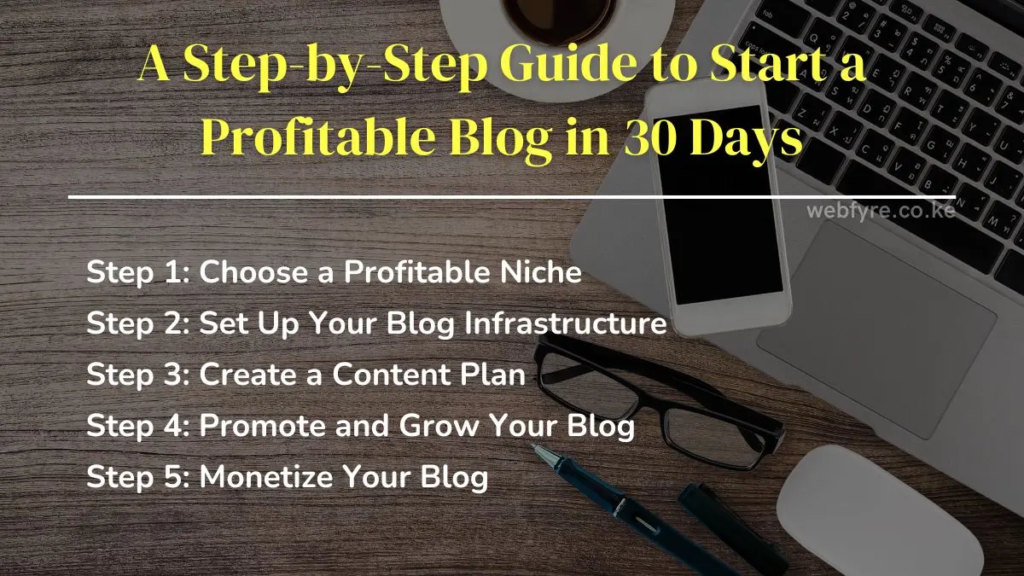
Launching a successful, profitable blog requires a comprehensive, multi-faceted approach. This Blog Startup Checklist outlines the 20+ essential steps you need to take to lay the foundation for a thriving online business, from niche selection and technical setup to content creation, promotion, and monetization.
By methodically working through each of these tasks, you’ll be well on your way to turning your blogging aspirations into a reality. Remember, the key to long-term success is to remain dedicated, adaptable, and focused on providing exceptional value to your audience.
So, what are you waiting for? Use this blog startup checklist as your roadmap and start building the blog of your dreams today!