

Money’s Hidden Magic: A Journey of Self-Discovery and Financial Transformation is a book that aims to reveal the subconscious beliefs and patterns that govern our relationship with money. It is designed to help readers understand the deeper psychological factors that influence their financial behaviors and outcomes.
The book delves into the psychological and emotional aspects of money, exploring how our beliefs and attitudes toward money can shape our financial reality. It provides insights and practical exercises to help readers uncover and shift limiting money beliefs, allowing them to create a healthier relationship with money and improve their financial situation.
Key Themes and Concepts
- Money Beliefs and Mindset:
- The book explores how our beliefs about money, often formed in childhood, can limit or empower our financial success. It helps readers identify these beliefs and offers strategies to reprogram them for a more positive and abundant mindset.
- Emotional Connection to Money:
- The authors discuss the emotional attachments we have to money and how these can affect our financial decisions. They argue that understanding and transforming these emotions is key to achieving financial freedom.
- Practical Exercises and Tools:
- Throughout the book, the authors provide exercises, meditations, and reflective questions to help readers uncover their hidden money scripts. These tools are designed to help shift negative patterns and create a more positive and intentional relationship with money.
- Personal Growth and Financial Transformation:
- The book is as much about personal development as it is about financial success. It encourages readers to see money as a tool for achieving their broader life goals and to align their financial behaviors with their values and aspirations.
- Holistic Approach:
- Money’s Hidden Magic takes a holistic approach, integrating psychological insights with practical financial advice. It emphasizes that financial success is not just about earning and saving, but also about understanding one’s inner world and making conscious choices.
Who Would Benefit from the Book?
- Individuals Seeking Financial Freedom: If you’re looking to break free from financial struggles and create a more abundant life, this book offers valuable insights and practical tools.
- Personal Development Enthusiasts: Those interested in self-improvement and personal growth will find the book’s psychological approach to money intriguing and transformative.
- Anyone Curious About Money Psychology: If you’re interested in understanding the deeper reasons behind your financial behaviors, this book provides a comprehensive exploration.
Structure of Money’s Hidden Magic Book
- Introduction: Sets the stage for the journey of self-discovery and financial transformation.
- Chapters 1-3: Explore the origins of our money beliefs and how they shape our financial reality.
- Chapters 4-7: Offer tools and techniques for changing limiting money beliefs and building a healthier relationship with money.
- Chapters 8-10: Focus on integrating the new mindset into daily life, with practical steps for managing money and achieving financial goals.
Table of Contents
Introduction: The Journey Begins
Summary
The introduction of Money’s Hidden Magic sets the stage for a transformative journey that combines personal development with financial empowerment. The authors highlight the core premise of the book: that our relationship with money is deeply influenced by our subconscious beliefs, many of which we may not even be aware of. These hidden beliefs shape our financial behaviors and outcomes, often in ways that limit our potential.
The introduction emphasizes the importance of understanding and transforming these money beliefs to create a healthier, more abundant financial life. The authors also outline the structure of the book, which includes practical exercises, reflective questions, and techniques designed to help readers uncover and shift their limiting money scripts.
Key Concepts
- Money Beliefs: The introduction discusses how our beliefs about money are often formed in childhood and are influenced by our environment, culture, and experiences. These beliefs can be either empowering or limiting.
- Subconscious Influence: The authors explain that many of our financial decisions are driven by subconscious patterns that we may not be consciously aware of. By bringing these patterns to light, we can start to change them.
- Transformation: The goal of the book is to help readers transform their relationship with money by understanding their inner world and making conscious choices that align with their values and goals.
Discussion
The introduction invites readers to reflect on their own money beliefs and consider how these beliefs might be influencing their financial reality. It encourages a mindset of curiosity and openness, as the journey ahead will require introspection and a willingness to challenge deeply held assumptions.
Chapter 1: Uncovering the Money Scripts
Summary
Chapter 1 dives into the concept of “money scripts” – the subconscious beliefs and narratives we hold about money. These scripts are often inherited from our families, shaped by our upbringing, and reinforced by societal messages. The chapter provides examples of common money scripts, such as “Money is the root of all evil” or “Money doesn’t grow on trees,” and explains how these beliefs can influence our financial behaviors, often leading to self-sabotage or limiting our potential.
The authors introduce the idea that by identifying and understanding our money scripts, we can begin to rewrite them in a way that supports our financial well-being. They also emphasize the importance of becoming aware of these scripts without judgment, as this awareness is the first step toward change.
Key Concepts
- Money Scripts: Deeply ingrained beliefs about money that influence our financial behaviors and outcomes.
- Awareness: The chapter highlights the importance of becoming aware of these scripts and understanding where they come from.
- Rewriting Scripts: Once identified, money scripts can be challenged and rewritten to support more positive financial behaviors.
Discussion
Chapter 1 encourages readers to reflect on their own money scripts and consider how these beliefs have shaped their financial lives. It invites readers to think about the messages they received about money growing up and how these messages may still be influencing their decisions today. The chapter also emphasizes the importance of approaching this process with self-compassion, as changing deeply ingrained beliefs can be challenging.
Chapter 2: The Emotional Ties That Bind
Summary
Chapter 2 delves into the emotional connections we have with money, exploring how emotions like fear, guilt, shame, and even love can profoundly influence our financial decisions. The authors explain that money is often tied to deep-seated emotions that are not just about financial transactions but also about our self-worth, security, and identity.
The chapter examines how these emotional ties are formed, often rooted in our early experiences with money. For example, someone who grew up in a household where money was scarce might develop a fear of spending or an obsession with saving. Conversely, someone who was rewarded with money as a child might associate it with love and approval.
The authors emphasize the importance of recognizing and understanding these emotional connections to money, as they can lead to patterns of behavior that are not always in our best interest. By becoming aware of the emotions that drive our financial decisions, we can begin to make more conscious and empowered choices.
Key Concepts
- Emotional Attachments: The chapter explores how emotions like fear, guilt, and love are tied to our relationship with money.
- Patterns of Behavior: Emotional attachments can lead to recurring patterns of financial behavior, such as overspending, underspending, or hoarding.
- Awareness and Change: Recognizing the emotional drivers behind our money decisions is the first step toward making more intentional and beneficial choices.
Discussion
Chapter 2 invites readers to explore their emotional relationship with money. It encourages them to think about the emotions that come up when they deal with money, whether it’s spending, saving, or investing. The authors suggest that by understanding these emotions, readers can start to see how they might be influencing their financial decisions and outcomes.
This chapter also emphasizes the importance of self-compassion in this process. Many of our emotional ties to money are rooted in experiences that are beyond our control, and it’s important to approach this exploration without judgment.
Reflective Exercise
The authors provide an exercise where readers are asked to write down their earliest memories of money and the emotions associated with those memories. This exercise helps to uncover the roots of their emotional ties to money and offers insights into how these emotions might still be influencing their financial life today.
Chapter 3: Identifying Limiting Beliefs
Summary
Chapter 3 focuses on identifying the limiting beliefs that hold us back from achieving financial success and abundance. These beliefs are often deeply ingrained in our subconscious and can manifest as self-sabotaging behaviors, such as procrastination, fear of taking risks, or a sense of unworthiness when it comes to financial prosperity.
The authors explain that limiting beliefs about money are often formed in childhood and are reinforced by societal messages, cultural norms, and personal experiences. Common limiting beliefs include ideas like “I’m not good with money,” “Rich people are greedy,” or “I don’t deserve to be wealthy.”
The chapter provides readers with tools and techniques to help uncover these limiting beliefs, such as journaling, reflective questioning, and self-inquiry. By bringing these beliefs to the surface, readers can begin to challenge and reframe them, replacing them with more empowering beliefs that support financial growth and well-being.
Key Concepts
- Limiting Beliefs: Deeply held beliefs that restrict our financial potential and success.
- Self-Sabotage: The ways in which limiting beliefs can lead to behaviors that undermine our financial goals.
- Reframing: The process of identifying, challenging, and replacing limiting beliefs with more positive and supportive ones.
Discussion
Chapter 3 invites readers to engage in a process of self-discovery to identify their own limiting beliefs about money. The authors encourage readers to think about the phrases or thoughts that come up when they consider their financial situation. For example, if someone often thinks, “I’ll never be able to save enough,” this could be a sign of a limiting belief about their ability to manage money.
The chapter also discusses the importance of challenging these beliefs by questioning their validity and considering alternative perspectives. For instance, instead of thinking “I’m not good with money,” a more empowering belief could be “I can learn to manage my money effectively.”
Reflective Exercise
Readers are encouraged to write down any limiting beliefs they identify and then challenge these beliefs by asking themselves questions like:
- Where did this belief come from?
- Is this belief really true?
- How is this belief affecting my financial life?
- What would be a more positive and empowering belief?
The exercise helps readers to begin the process of reframing their beliefs and adopting a more positive mindset toward money.
Chapter 4: Transforming Your Money Mindset
Summary
Chapter 4 is dedicated to transforming your money mindset by applying the insights gained from previous chapters. Having identified limiting beliefs and emotional ties to money, this chapter focuses on practical strategies for shifting your mindset to one that supports financial abundance and personal growth.
The authors introduce several techniques for transforming your money mindset, including affirmations, visualization, and goal setting. They emphasize the importance of creating a positive and proactive relationship with money by consistently practicing these techniques and integrating them into daily life.
The chapter also discusses the role of self-talk and the impact of maintaining a positive inner dialogue about money. By replacing negative self-talk with affirmations and constructive thoughts, readers can foster a more optimistic and empowering perspective on their financial situation.
Key Concepts
- Affirmations: Positive statements that help to reinforce a new, empowering mindset about money.
- Visualization: The practice of imagining yourself achieving your financial goals to enhance motivation and focus.
- Goal Setting: Setting clear, actionable goals to create a roadmap for financial success and personal growth.
- Positive Self-Talk: The impact of maintaining a constructive and encouraging inner dialogue regarding money.
Discussion
Chapter 4 encourages readers to actively work on transforming their money mindset by incorporating the techniques introduced. The authors stress the importance of consistency and repetition in applying these techniques. For instance, daily affirmations and visualization exercises can help reinforce new beliefs and attitudes about money.
The chapter also highlights the significance of setting realistic and achievable financial goals. By breaking down larger goals into smaller, manageable steps, readers can create a clear path toward financial success and track their progress.
Reflective Exercise
The authors provide a series of exercises designed to help readers implement these techniques:
- Create Affirmations: Write down five positive affirmations related to money, such as “I am capable of achieving financial success” or “I deserve to be wealthy.”
- Visualization Practice: Spend 5-10 minutes each day visualizing yourself achieving your financial goals. Imagine the details of your success and the feelings associated with it.
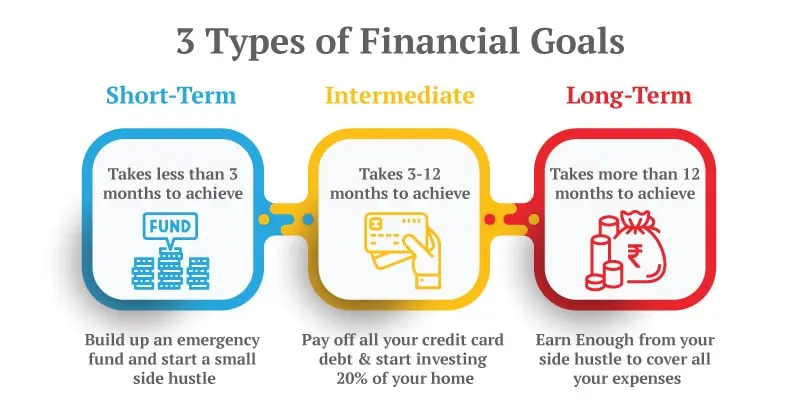
- Set Financial Goals: Define three specific financial goals you want to achieve in the next year. Break these goals down into smaller, actionable steps and create a plan to achieve them.
The exercises are intended to help readers build a positive money mindset and create a supportive framework for their financial journey.
Chapter 5: Building Wealth with New Beliefs
Summary
Chapter 5 focuses on translating the newly adopted money mindset into practical actions that build wealth and financial stability. With a transformed mindset and positive beliefs about money, the chapter provides strategies and techniques for actively creating and growing wealth.
The authors discuss various methods for building wealth, including budgeting, investing, and creating multiple streams of income. They emphasize the importance of aligning financial practices with the new, empowering beliefs established in previous chapters. The chapter also highlights the role of financial education in making informed decisions and achieving long-term financial goals.
Key Concepts
- Budgeting: Creating and maintaining a budget that aligns with your financial goals and values.
- Investing: Understanding different investment options and making informed choices to grow your wealth.
- Multiple Streams of Income: Developing additional sources of income to increase financial security and opportunities.
- Financial Education: Continuously learning about personal finance, investing, and money management to make informed decisions.
Discussion
Chapter 5 encourages readers to take proactive steps toward building wealth by applying their new beliefs and mindset. The authors stress that financial success is not just about having a positive mindset but also about implementing practical strategies and staying informed.
The chapter provides guidance on creating a budget that reflects your financial goals and values. It also covers the basics of investing, including different types of investments and the importance of diversification. Additionally, the authors suggest exploring ways to create multiple streams of income, such as starting a side business or investing in real estate.
Reflective Exercise
The authors include exercises to help readers apply the strategies discussed in the chapter:
- Create a Budget: Develop a detailed budget that includes all income and expenses. Ensure that your budget aligns with your financial goals and allows for saving and investing.
- Investment Plan: Research different investment options and create a plan for how you will invest your money. Consider consulting a financial advisor if needed.
- Explore Income Streams: Identify potential ways to create additional income. This could include freelance work, a part-time job, or investing in passive income opportunities.
The exercises are designed to help readers put their new mindset into action and start building wealth in a systematic and informed manner.

Chapter 6: Overcoming Financial Obstacles
Summary
Chapter 6 addresses common financial obstacles and challenges that can hinder progress toward wealth-building and financial well-being. The chapter emphasizes that encountering obstacles is a normal part of the financial journey, and it provides strategies for overcoming these challenges with resilience and determination.
The authors identify several types of financial obstacles, including unexpected expenses, debt, financial setbacks, and negative financial habits. They offer practical advice on how to manage and overcome these obstacles, such as creating an emergency fund, developing a debt repayment plan, and changing detrimental financial habits.
The chapter also discusses the importance of maintaining a positive mindset and staying focused on long-term financial goals despite short-term difficulties. The authors stress that perseverance and adaptability are key to navigating financial challenges successfully.
Key Concepts
- Unexpected Expenses: Strategies for managing and preparing for unforeseen financial emergencies.
- Debt Management: Approaches for paying off debt and avoiding future debt accumulation.
- Financial Setbacks: How to recover from financial setbacks and stay on track with your goals.
- Habit Change: Techniques for identifying and changing negative financial habits.
Discussion
Chapter 6 provides a realistic view of the financial journey, acknowledging that obstacles are inevitable. The authors encourage readers to approach these challenges with a problem-solving mindset and to use them as opportunities for growth and learning.
The chapter includes practical tips for managing unexpected expenses, such as setting aside an emergency fund and prioritizing essential expenses. It also offers guidance on creating a debt repayment plan, including strategies like the debt snowball method or the avalanche method. For overcoming financial setbacks, the authors recommend reassessing your budget and financial goals and making necessary adjustments.
Reflective Exercise
The authors suggest exercises to help readers tackle financial obstacles:
- Emergency Fund Plan: Create a plan for building and maintaining an emergency fund. Determine how much you need and set up a savings plan to achieve it.
- Debt Repayment Strategy: List all your debts and develop a strategy for paying them off. Choose a repayment method and set milestones for progress.
- Habit Assessment: Identify any negative financial habits you have and create a plan to replace them with positive behaviors. Track your progress and adjust as needed.
These exercises are aimed at helping readers prepare for and overcome financial challenges, ensuring they remain on the path to achieving their financial goals.
Chapter 7: Creating a Sustainable Financial Future
Summary
Chapter 7 focuses on establishing long-term financial sustainability by implementing practices and strategies that ensure continued financial health and growth. Building on the work done in previous chapters, this chapter emphasizes the importance of creating a financial plan that supports ongoing success and aligns with your values and goals.
The authors discuss various aspects of financial planning, including retirement savings, long-term investments, and estate planning. They highlight the significance of setting long-term financial goals and regularly reviewing and adjusting your financial plan to adapt to changing circumstances and objectives.
The chapter also covers the importance of maintaining financial discipline and staying committed to your financial plan. The authors encourage readers to cultivate habits that support sustained financial health, such as regular saving and investing, continuous learning about personal finance, and seeking professional advice when needed.
Key Concepts
- Retirement Savings: Strategies for building and managing retirement savings to ensure financial security in the later years.
- Long-Term Investments: The role of long-term investments in growing wealth and achieving financial goals.
- Estate Planning: Planning for the distribution of assets and managing estate-related matters to protect your legacy and ensure your wishes are fulfilled.
- Financial Discipline: Maintaining discipline in saving, investing, and managing money to support long-term financial health.
Discussion
Chapter 7 emphasizes that creating a sustainable financial future requires a proactive approach and ongoing commitment. The authors encourage readers to develop a comprehensive financial plan that includes retirement savings, long-term investments, and estate planning. They stress the importance of setting specific, measurable goals and regularly reviewing progress to stay on track.
The chapter also highlights the need for financial discipline and the importance of cultivating habits that support long-term financial success. This includes consistent saving and investing, staying informed about financial matters, and seeking professional advice when necessary.
Reflective Exercise
The authors provide exercises to help readers create and maintain a sustainable financial future:
- Retirement Planning: Evaluate your current retirement savings and create a plan to increase contributions if needed. Set specific retirement goals and develop a strategy to achieve them.
- Investment Strategy: Review your long-term investment portfolio and assess whether it aligns with your financial goals. Make adjustments as needed to ensure continued growth.
- Estate Planning Checklist: Create a checklist of estate planning tasks, such as drafting a will, setting up trusts, and designating beneficiaries. Review and update your estate plan regularly.
These exercises are designed to help readers build a solid foundation for long-term financial stability and success.
Chapter 8: Cultivating a Mindful Financial Lifestyle
Summary
Chapter 8 emphasizes the importance of integrating mindfulness into your financial life to create a harmonious and intentional approach to managing money. It builds on the principles of the previous chapters by encouraging readers to develop a mindful attitude towards their financial decisions and actions.
The authors discuss the concept of mindful spending, which involves being fully aware of your spending habits and aligning them with your values and goals. They also explore the role of mindfulness in managing financial stress and making thoughtful, deliberate financial choices. The chapter introduces practices such as mindful budgeting, mindful investing, and creating a financial vision that reflects your true desires and aspirations.
Key Concepts
- Mindful Spending: The practice of being aware of your spending habits and ensuring they align with your values and financial goals.
- Mindful Budgeting: Creating and managing a budget with intention and awareness, rather than just focusing on numbers.
- Mindful Investing: Approaching investments with a clear understanding of your goals and risk tolerance, and making decisions that align with your values.
- Financial Vision: Developing a clear and inspiring vision for your financial future that reflects your true desires and aspirations.
Discussion
Chapter 8 encourages readers to incorporate mindfulness into their financial practices to enhance their overall financial well-being. By being mindful of spending, budgeting, and investing, readers can make more intentional choices that align with their values and long-term goals.
The chapter also highlights the importance of managing financial stress through mindfulness techniques, such as meditation and stress-reducing practices. These techniques can help readers approach financial challenges with a calm and focused mindset.
Reflective Exercise
The authors provide exercises to help readers cultivate a mindful financial lifestyle:
- Mindful Spending Exercise: Track your spending for a month and reflect on how it aligns with your values and goals. Identify areas where you can make more intentional choices.
- Mindful Budgeting Practice: Review your budget and consider how well it reflects your priorities and values. Make adjustments to ensure it supports your overall financial vision.
- Create a Financial Vision Board: Develop a vision board that represents your financial goals and aspirations. Use it as a visual reminder of your financial dreams and stay motivated to achieve them.
These exercises are designed to help readers integrate mindfulness into their financial practices and create a more intentional and fulfilling financial lifestyle.
Chapter 9: The Power of Financial Community
Summary
Chapter 9 explores the role of community and support networks in achieving financial success and maintaining a positive money mindset. The authors emphasize that building and being part of a supportive financial community can provide valuable resources, encouragement, and accountability.
The chapter discusses different types of financial communities, such as support groups, professional networks, and online forums. It highlights the benefits of connecting with others who share similar financial goals, challenges, and experiences. By engaging with a community, individuals can gain insights, share knowledge, and find motivation to stay committed to their financial journey.
The authors also address the importance of seeking mentorship and guidance from experienced financial professionals. They explain how having mentors can help accelerate personal growth, provide expert advice, and offer support during challenging times.
Key Concepts
- Financial Community: The benefits of being part of a group or network that shares financial goals and provides support.
- Mentorship: The value of seeking guidance from experienced individuals in the financial field.
- Networking: Connecting with others in professional and personal circles to gain insights, share experiences, and stay motivated.
- Support Systems: The importance of having a reliable support system for encouragement and accountability.
Discussion
Chapter 9 highlights the idea that financial success is not a solitary journey but one that can be greatly enhanced by engaging with a supportive community. The authors encourage readers to seek out and actively participate in financial communities that resonate with their goals and values.
The chapter also emphasizes the role of mentorship in providing direction and expertise. Whether through formal financial advisors or informal mentors, having access to experienced individuals can be a significant asset in navigating financial decisions and overcoming obstacles.
Reflective Exercise
The authors provide exercises to help readers build and engage with their financial community:
- Join a Financial Group: Identify and join a local or online financial group or forum where you can connect with others who share your financial interests and goals.
- Seek a Mentor: Reach out to a potential mentor in the financial field and explore opportunities for guidance and support. Consider setting up regular meetings or check-ins.
- Create a Support Network: Build a network of friends, family, or colleagues who can offer encouragement and accountability in your financial journey. Share your goals and progress with them.
These exercises are designed to help readers leverage the power of community and mentorship to enhance their financial growth and maintain motivation.
Chapter 10: Celebrating Financial Milestones
Summary
Chapter 10 emphasizes the importance of acknowledging and celebrating financial milestones as a way to reinforce positive behaviors and maintain motivation throughout the financial journey. The authors argue that recognizing achievements, both big and small, is crucial for sustaining momentum and reinforcing the positive changes made.
The chapter outlines various types of financial milestones, such as achieving savings goals, paying off debt, reaching investment targets, and completing significant financial projects. It highlights the benefits of celebrating these milestones, including increased self-esteem, a sense of accomplishment, and the reinforcement of positive financial habits.
The authors also discuss different ways to celebrate financial milestones, from personal rewards to sharing achievements with a supportive community. They encourage readers to create their own celebration practices that align with their values and financial goals.
Key Concepts
- Financial Milestones: Significant achievements or goals reached in the financial journey, such as saving a certain amount or paying off debt.
- Celebration: The importance of recognizing and celebrating achievements to boost motivation and reinforce positive behaviors.
- Personal Rewards: Ideas for rewarding yourself in a way that aligns with your financial goals and values.
- Sharing Achievements: The benefits of sharing milestones with a community or support network for additional encouragement and support.
Discussion
Chapter 10 encourages readers to regularly celebrate their financial achievements as a way to maintain enthusiasm and motivation. The authors stress that celebrating milestones helps to acknowledge progress, boost confidence, and reinforce the positive changes made.
The chapter provides practical suggestions for how to celebrate financial milestones, such as treating yourself to a small reward, sharing your success with friends and family, or reflecting on your progress through journaling or a personal review. By incorporating these celebrations into your financial journey, you can create a positive feedback loop that supports continued growth and success.
Reflective Exercise
The authors include exercises to help readers celebrate their financial milestones:
- Set Milestones: Identify key financial milestones you want to achieve and create a plan for reaching them. Break these milestones into smaller, manageable steps.
- Plan Celebrations: Develop a plan for how you will celebrate each milestone. Choose rewards or activities that align with your values and financial goals.
- Share Achievements: Share your progress with your financial community or support network. Reflect on the positive changes and feedback you receive.
These exercises are designed to help readers recognize and celebrate their achievements, reinforcing their commitment to their financial goals and creating a positive and motivating financial journey.
Conclusion: Embracing the Magic of Financial Transformation
In the conclusion of Money’s Hidden Magic, the authors tie together the key themes and lessons explored throughout the book. They emphasize that the journey to financial transformation is both an internal and external process, involving a shift in mindset, the development of new beliefs, and the implementation of practical strategies.
The authors encourage readers to take ownership of their financial futures by continuously applying the principles they’ve learned. They stress the importance of maintaining a positive and proactive attitude toward money, staying committed to personal growth, and being open to adapting and evolving as new opportunities and challenges arise.
The conclusion also revisits the central idea that money is more than just a tool for transactions—it’s a powerful force that, when managed with intention and awareness, can enhance all aspects of life. By embracing the “hidden magic” of money, readers are invited to create a life of abundance, purpose, and fulfillment.
Key Takeaways:
- Mindset is Key: A positive, growth-oriented mindset is the foundation for financial success.
- Continuous Learning: Financial education and self-awareness are crucial for making informed decisions and achieving long-term goals.
- Community Matters: Engaging with a supportive financial community can provide valuable resources, motivation, and accountability.
- Celebrate Progress: Recognizing and celebrating financial milestones helps reinforce positive behaviors and maintain momentum.
- Live with Intention: Managing money with intention and aligning financial actions with personal values leads to a more fulfilling life.
Final Reflection
The authors encourage readers to reflect on their financial journey and to recognize the progress they’ve made. They invite readers to continue exploring their relationship with money, to stay curious, and to keep applying the principles learned from the book to achieve ongoing financial growth and well-being.