Have you ever wondered why some websites seem to effortlessly turn visitors into customers, while others struggle to make a single sale? The secret lies in creating a website that converts – but how exactly do you do that?
“A website without conversion is like a car without an engine. It might look great, but it won’t take you anywhere.”
In this comprehensive guide, we’ll explore expert tips on how to create a website that converts, helping you transform your online presence into a powerful sales and lead generation tool. Whether you’re a small business owner, an e-commerce entrepreneur, or a marketing professional, these insights will help you boost your conversion rates and achieve your online goals.
Benefits of Creating a Website That Converts?
Before we dive into the specifics, let’s consider why conversion optimization should be a top priority:
- Maximize return on investment (ROI) from your web traffic
- Improve user experience and satisfaction
- Increase revenue and leads without necessarily increasing traffic
- Gain valuable insights into your audience’s preferences and behaviors
How to Create a Website That Converts
Learn how to create a website that converts visitors into customers. Discover expert tips on design, UX, and CTA optimization for maximum conversion rates. Now, let’s explore the 10 expert tips for creating a website that converts.
Table of Contents
1. Understand Your Target Audience
The foundation of a high-converting website is a deep understanding of your target audience. Without this knowledge, your efforts in conversion rate optimization may miss the mark.
Key actions:
- Develop detailed buyer personas
- Conduct user surveys and interviews
- Analyze website analytics data
- Use heat mapping tools to understand user behavior
Pro tip: The better you know your audience, the more effectively you can address their needs and pain points.
2. Craft a Compelling Value Proposition
Your value proposition is the cornerstone of your website’s conversion strategy. It should clearly communicate why visitors should choose your product or service over competitors.
Elements of a strong value proposition:
- Clear and concise language
- Focus on customer benefits
- Unique selling points
- Relevance to target audience
Example: “Get fit in 30 days or your money back – guaranteed results with our personalized fitness program.”
3. Optimize Your Landing Page Design
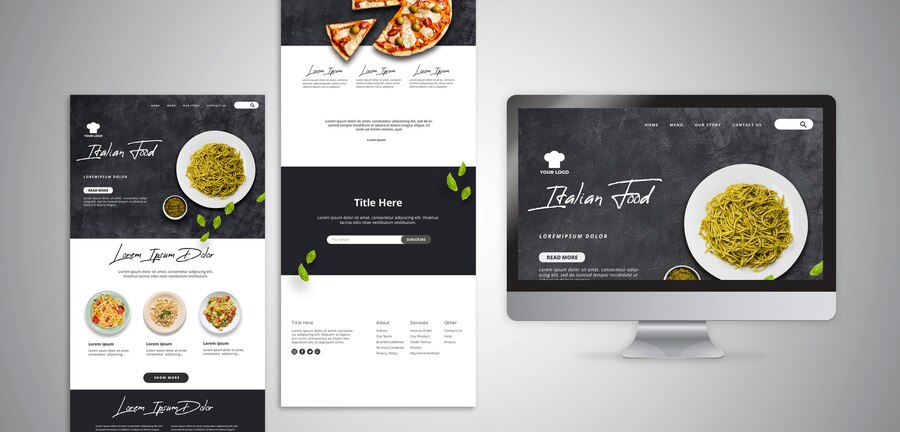
A well-designed landing page can significantly impact your conversion rates. Focus on creating a clean, visually appealing layout that guides visitors towards your desired action.
Key landing page design elements:
- Clear headline that matches your ad or link text
- Engaging hero image or video
- Concise, benefit-focused copy
- Trust indicators (testimonials, security badges, etc.)
- Prominent call-to-action (CTA) buttons
Remember: Simplicity is the ultimate sophistication in landing page design.
Related: 10 Essential Elements of a Stunning Website Design
4. Improve Website Speed and Performance
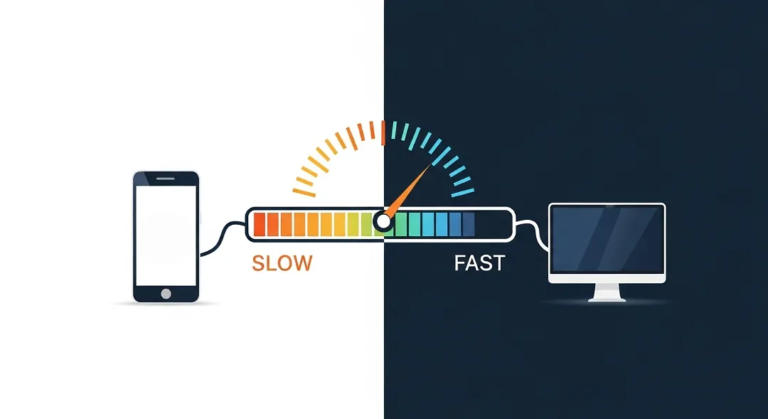
A slow-loading website can kill conversions before visitors even see your content. Optimize your site’s speed to keep users engaged and reduce bounce rates.
Speed optimization techniques:
- Compress images and use modern formats (e.g., WebP)
- Minify CSS, JavaScript, and HTML
- Leverage browser caching
- Use a content delivery network (CDN)
- Optimize for mobile devices
Related: 20 Best CDNs for WordPress Sites to Boost Speed (Free & Paid Options)
Pro tip: Use Google’s PageSpeed Insights to identify and address speed issues on your site.

5. Implement Effective Call-to-Action (CTA) Strategies
Your CTAs are the gateways to conversion. Make them impossible to ignore and irresistible to click.
CTA optimization tips:
- Use action-oriented, compelling language
- Create a sense of urgency (e.g., “Limited time offer”)
- Make buttons stand out with contrasting colors
- Place CTAs strategically throughout your content
- A/B test different CTA variations
Example CTA: “Start Your Free Trial Now – No Credit Card Required”
6. Leverage Social Proof
People trust other people’s experiences. Use social proof to build credibility and encourage conversions.
Types of social proof:
- Customer testimonials and reviews
- Case studies and success stories
- Trust badges and certifications
- Social media follower counts
- Media mentions or awards
Social proof can be the tipping point for hesitant customers.
7. Optimize for Mobile Users
With mobile traffic continually on the rise, ensuring your website is mobile-friendly is crucial for conversions.
Mobile optimization strategies:
- Use responsive design
- Implement touch-friendly navigation
- Optimize forms for mobile input
- Use larger fonts and buttons for easy tapping
- Minimize pop-ups on mobile devices
Remember: Test your site on various devices and screen sizes to ensure a consistent experience.
8. Use Persuasive Copywriting Techniques
The words you use can make or break your conversion rates. Craft compelling copy that speaks directly to your audience’s needs and desires.
Copywriting tips for conversions:
- Focus on benefits, not just features
- Use power words that trigger emotions
- Create a sense of scarcity or exclusivity
- Address objections preemptively
- Use storytelling to engage and persuade
Pro tip: Good copy doesn’t just inform – it compels action.
Related: 7 Ways to Create Most Engaging Content
9. Implement A/B Testing
Continuous improvement is key to maintaining high conversion rates. Use A/B testing to refine your website elements over time.
Elements to A/B test:
- Headlines and subheadings
- CTA button colors, text, and placement
- Images and videos
- Page layouts
- Pricing structures
Remember: Test one element at a time for clear, actionable results.
10. Optimize Your Checkout Process
For e-commerce sites, a streamlined checkout process is crucial for reducing cart abandonment and boosting conversions.
Checkout optimization tips:
- Minimize the number of form fields
- Offer guest checkout options
- Provide multiple payment methods
- Display security badges prominently
- Use progress indicators for multi-step checkouts
“A smooth checkout process can be the difference between a sale and an abandoned cart.”
Bringing It All Together
Creating a website that converts is an ongoing process of optimization and refinement. By implementing these expert tips and continuously analyzing your results, you can create a powerful online presence that turns visitors into loyal customers.
Remember, the key to success lies in understanding your audience, providing value, and making it easy for visitors to take action. Which of these strategies will you implement first to boost your website’s conversion rate?
Frequently Asked Questions
Q1: How long does it take to see results from conversion rate optimization?
A: Results can vary, but you may start seeing improvements within a few weeks to a couple of months. Consistent testing and refinement are key to long-term success.
Q2: Is it better to focus on traffic or conversion rate?
A: Both are important, but improving conversion rates often provides a better ROI as you’re maximizing the value of your existing traffic.
Q3: How often should I A/B test my website elements?
A: Continuous testing is ideal, but prioritize based on potential impact. Test major elements (like headlines or CTAs) more frequently, while minor elements can be tested less often.
Q4: Can small changes really make a big difference in conversion rates?
A: Absolutely! Sometimes, a simple change in button color or copy can significantly impact conversion rates. That’s why testing is so important.
Q5: How do I calculate my website’s conversion rate?
A: Divide the number of conversions by the total number of visitors, then multiply by 100. For example, if you have 100 conversions from 1000 visitors, your conversion rate is 10%.
Conclusion
Creating a website that converts is not just about flashy design or clever marketing tricks. It’s about understanding your audience, providing genuine value, and guiding visitors smoothly toward taking action. By implementing the expert tips we’ve discussed, you’re well on your way to transforming your website into a powerful conversion tool.
As you embark on this journey of optimization, remember that every small improvement can lead to significant gains over time. Whether you’re looking to increase sales, generate leads, or grow your subscriber base, these expert tips provide a solid foundation for success.
So, what’s your next step? Will you start by refining your value proposition, or perhaps dive into some A/B testing? Whatever you choose, remember that the path to a high-converting website starts with a single step. Take that step today, and watch as your online presence transforms into a conversion powerhouse.
We’d love to hear about your experiences and successes as you implement these strategies. Share your journey in the comments below, and let’s learn from each other in this ever-evolving digital landscape.