


Are you ready to dive into the exciting world of blogging? Whether you’re looking to share your passion, build a business, or simply express yourself, blog writing can be an incredibly rewarding endeavor.
As a beginner, you might feel overwhelmed by the prospect of starting a blog, but don’t worry – we’ve got you covered! In this comprehensive guide, we’ll walk you through everything you need to know about blog writing for beginners, from getting started to creating content that captivates your readers.
How to Start a Blog
Starting a blog might seem daunting, but with the right approach, it can be a smooth and exciting process. Here’s a step-by-step guide to get you started:
- Define Your Purpose: Before diving in, ask yourself: Why do you want to start a blog? Are you looking to share your passion, build a business, or simply express yourself creatively? Having a clear purpose will guide your decisions moving forward.
- Choose Your Niche: Select a topic that you’re passionate about and knowledgeable in. Your niche should be specific enough to attract a dedicated audience but broad enough to provide plenty of content ideas.
- Select a Blogging Platform: For beginners, we recommend WordPress.org due to its flexibility and robust features. Other options include Wix, Squarespace, or Blogger. Each platform has its pros and cons, so research thoroughly before deciding.
Related: 6 Best Website Builders For Small Businesses
- Pick a Domain Name and Hosting: Your domain name is your blog’s address on the internet. Choose something memorable and relevant to your niche. For hosting, consider reputable providers like Bluehost, SiteGround, or HostGator.
- Design Your Blog: Choose a theme that aligns with your blog’s purpose and niche. Many platforms offer free themes, but investing in a premium theme can give your blog a more professional look.
- Create Essential Pages: Set up key pages like “About Me,” “Contact,” and “Privacy Policy.” These pages help establish your blog’s credibility and provide important information to your readers.
- Write Your First Post: Start with an introductory post explaining what your blog is about and what readers can expect. Don’t aim for perfection – the key is to get started!
- Promote Your Blog: Share your new blog on social media, join blogging communities, and consider guest posting on established blogs in your niche to gain exposure.
Related: 50+ High-Quality Guest Posting Sites List for 2024
10 Blog Writing for Beginners Tips
New to blogging? Check out our comprehensive guide on blog writing for beginners! Learn how to start your blog, create engaging content, and avoid common newbie mistakes.
Table of Contents
1. Choose Your Niche Wisely
Before you start typing away, it’s crucial to identify your blog’s focus. What topics are you passionate about? What expertise can you share with the world? Choosing a niche that aligns with your interests and knowledge will make the writing process more enjoyable and sustainable in the long run.
Pro Tip: Research your chosen niche to ensure there’s an audience for it. Use tools like Google Trends or SEMrush to gauge interest in your topic.
2. Set Up Your Blog Platform
With your niche in mind, it’s time to choose a blogging platform. Popular options include:

- WordPress.org (self-hosted)
- Wix
- Squarespace
- Medium
For beginners, WordPress.org offers a great balance of flexibility and ease of use. It’s self-hosted, which means you’ll need to purchase a domain name and hosting separately, but it gives you full control over your blog’s appearance and functionality.
3. Craft a Compelling “About Me” Page
Your “About Me” page is often one of the most visited pages on a blog. Use this space to introduce yourself, explain your blog’s purpose, and connect with your readers on a personal level. Be authentic and let your personality shine through!
4. Plan Your Content Strategy
Consistency is key in blogging. Develop a content calendar to help you stay organized and maintain a regular posting schedule. Consider these factors when planning your content:
- Post frequency (e.g., weekly, bi-weekly)
- Content types (how-to guides, listicles, personal stories)
- Seasonal trends or events relevant to your niche
5. Master the Art of Headlines
Your blog post title is the first thing readers see, so make it count! A great headline should:
- Be clear and concise
- Include your target keyword
- Evoke curiosity or emotion
- Promise value to the reader
Example: “7 Game-Changing Blog Writing Tips That Will Skyrocket Your Traffic“
Related: How to Write Catchy Blog Headlines That Skyrocket Your Traffic
6. Structure Your Posts for Readability
In the digital age, attention spans are short. Make your blog posts easy to scan and digest by:
- Using short paragraphs (2-3 sentences max)
- Incorporating subheadings (H2, H3) to break up content
- Adding bullet points or numbered lists
- Including relevant images or infographics
7. Write Engaging Introductions
Hook your readers from the start with a compelling introduction. You can:
- Ask a thought-provoking question
- Share a surprising statistic
- Tell a relatable story
- Present a common problem your post will solve
8. Provide Value in Every Post
Quality trumps quantity in blog writing. Ensure each post offers tangible value to your readers. This could be in the form of:
- Actionable tips or advice
- In-depth analysis of a topic
- Unique insights from your experience
- Solutions to common problems in your niche
9. Optimize for SEO
While writing for your audience should be your primary focus, it’s important to keep search engines in mind too. Here are some basic SEO tips for beginners:
- Include your target keyword in the title, first paragraph, and throughout the post naturally
- Use descriptive alt text for images
- Create internal links to other relevant posts on your blog
- Write meta descriptions that accurately summarize your content
10. Edit and Proofread Thoroughly
Nothing undermines your credibility faster than typos and grammatical errors. Take the time to edit and proofread your posts carefully. Consider using tools like Grammarly or Hemingway Editor to catch mistakes and improve your writing.
Beginner Blogger Mistakes
As a new blogger, it’s easy to fall into common pitfalls. Here are some mistakes to avoid:
- Inconsistent Posting: One of the biggest mistakes is starting strong but then letting your blog lie dormant for weeks or months. Consistency is key to building an audience. Set a realistic posting schedule and stick to it.
- Neglecting SEO: While you shouldn’t write solely for search engines, ignoring SEO altogether is a missed opportunity. Learn the basics of keyword research and on-page optimization to help your content reach a wider audience.
Related: SEO Supercharge! The Guaranteed Guide to Ranking Higher
- Failing to Engage with Readers: Blogging is a two-way street. Respond to comments, ask for feedback, and engage with your audience. This interaction can turn casual readers into loyal followers.
- Copying Others: While it’s fine to draw inspiration from successful bloggers, avoid directly copying their style or content. Your unique voice and perspective are what will set you apart.
- Overlooking the Importance of Formatting: Long blocks of text can be off-putting to readers. Use headings, subheadings, bullet points, and images to break up your content and make it more digestible.
- Focusing Too Much on Monetization Too Soon: It’s natural to want to make money from your blog, but focusing on this too early can lead to inauthentic content. Build your audience and establish your authority first.
- Not Backing Up Your Content: Losing all your hard work due to technical issues can be devastating. Regularly back up your blog to avoid this nightmare scenario.
Blog Content Ideas
Coming up with fresh content ideas can be challenging, especially for new bloggers. Here are some strategies and ideas to keep your content flowing:
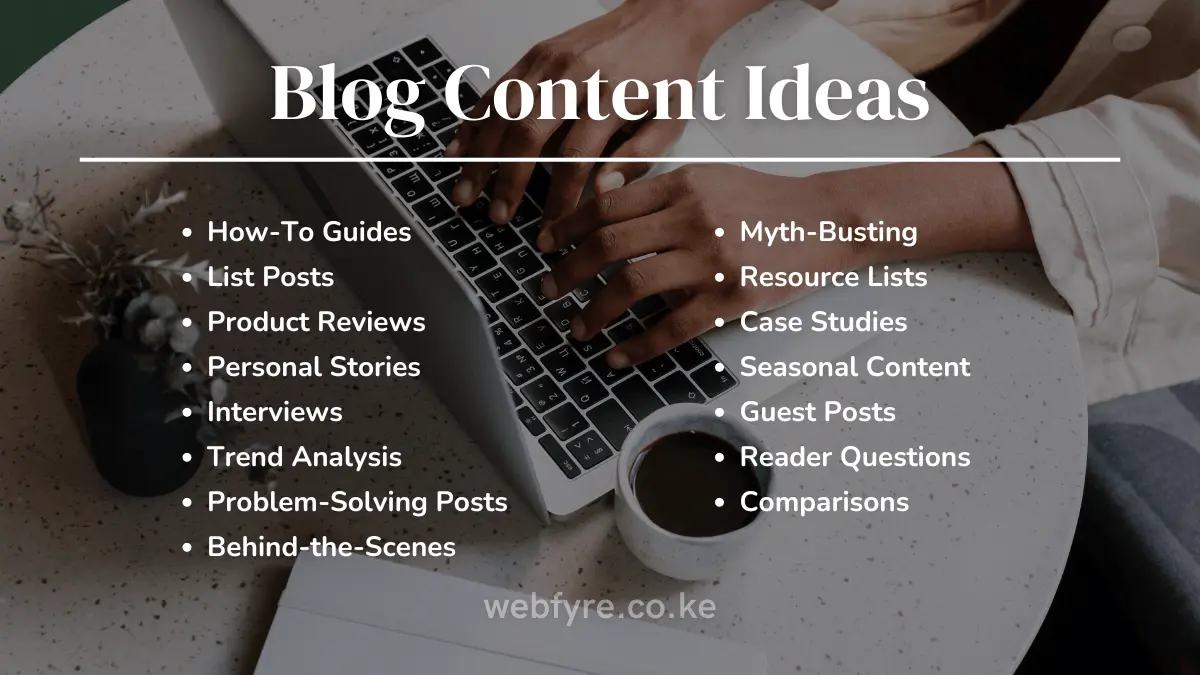
- How-To Guides: Step-by-step tutorials are always popular. Share your expertise by teaching readers how to do something related to your niche.
eg. How to Start a Blog in WordPress 2023: An Easy Step-by-Step Guide
- List Posts: People love lists! “Top 10” articles or “5 Ways to…” posts are easy to read and share.
- Product Reviews: If relevant to your niche, review products or services your audience might be interested in.
- Personal Stories: Share your experiences and lessons learned. Personal narratives can help you connect with your readers on a deeper level.
- Interviews: Reach out to experts or interesting personalities in your field for interviews. This can provide valuable insights for your readers and help you network.
- Trend Analysis: Discuss current trends in your niche and offer your perspective on where things are heading.
- Problem-Solving Posts: Address common problems your audience faces and provide solutions.
- Behind-the-scenes: Give readers a peek into your process or daily life related to your blog topic.
- Myth-Busting: Debunk common misconceptions in your niche.
- Resource Lists: Compile useful resources, tools, or websites related to your blog’s focus.
- Case Studies: Analyze successful examples related to your niche and break down what made them work.
- Seasonal Content: Create content tied to holidays, seasons, or events relevant to your blog topic.
- Guest Posts: Invite other bloggers or experts to contribute posts, bringing fresh perspectives to your blog.
- Reader Questions: Answer questions from your audience, possibly in a regular Q&A feature.
- Comparisons: Compare different methods, products, or approaches within your niche.
Frequently Asked Questions
Q: How long should my blog posts be?
A: Aim for at least 1000 words, but focus on quality over quantity. Longer posts (1500-2500 words) often perform better in search results, but make sure every word adds value.
Q: How often should I publish new blog posts?
A: Consistency is more important than frequency. Start with a manageable schedule, like once a week, and adjust as you become more comfortable with the process.
Q: Should I allow comments on my blog?
A: Yes! Comments can foster engagement and build a community around your blog. Just be prepared to moderate them to prevent spam.
Q: How can I promote my blog posts?
A: Share your posts on social media, engage with other bloggers in your niche, and consider guest posting on established blogs to increase your visibility.
Q: Is it okay to write about personal experiences?
A: Absolutely! Personal stories can make your content more relatable and unique. Just ensure they’re relevant to your niche and provide value to your readers.
Conclusion
Embarking on your blog writing journey may seem daunting at first, but with these blog writing tips for beginners in your arsenal, you’re well-equipped to create engaging, valuable content that resonates with your audience.
Remember, every successful blogger started as a beginner. Stay passionate, be consistent, and don’t be afraid to let your unique voice shine through your writing.
Ready to take the plunge? Start your blog today and share your voice with the world!
Did you find this guide helpful? Subscribe to our newsletter for more blogging tips and tricks delivered straight to your inbox!


