
If you want to dominate the e-commerce and digital service space in East Africa today, standard email marketing simply isn’t enough. You need to be where your customers already are, and in Kenya, that means mastering your WhatsApp marketing strategy.
With over 90% of Kenya’s internet users active on WhatsApp daily, this messaging platform has evolved from a simple chat app into the most powerful sales channel in the region.
Whether you are a local entrepreneur running an Instagram boutique or an international business tapping into the African market, understanding how to sell on WhatsApp is non-negotiable.
In this comprehensive guide, we will break down exactly how to build high-converting WhatsApp marketing campaigns, leverage the best tools, and localize your approach to skyrocket your online business in Kenya.
Table of Contents
Why WhatsApp is the King of Kenyan E-Commerce
Before diving into the “how,” let’s look at the “why.” Kenya is a mobile-first nation. The widespread adoption of mobile money platforms like M-Pesa has transformed how Kenyans transact.
When you combine a highly trusted communication app (WhatsApp) with a seamless mobile payment system (M-Pesa), you create an environment ripe for conversational commerce.
Unlike email, which boasts an average open rate of around 20%, WhatsApp messages have an astonishing 98% open rate. If you send a message, your Kenyan customer will see it.
Step 1: Choose the Right WhatsApp Platform
To execute a flawless WhatsApp marketing strategy, you must first choose the right infrastructure. Using your personal WhatsApp number is a recipe for disaster. It looks unprofessional, limits your capabilities, and risks getting your number banned by Meta.
You have two professional options:
1. The WhatsApp Business App
Ideal for small to medium-sized online businesses (SMEs). It’s free to download and offers essential features designed for local commerce:
- Business Profile: Add your website, location, and working hours.
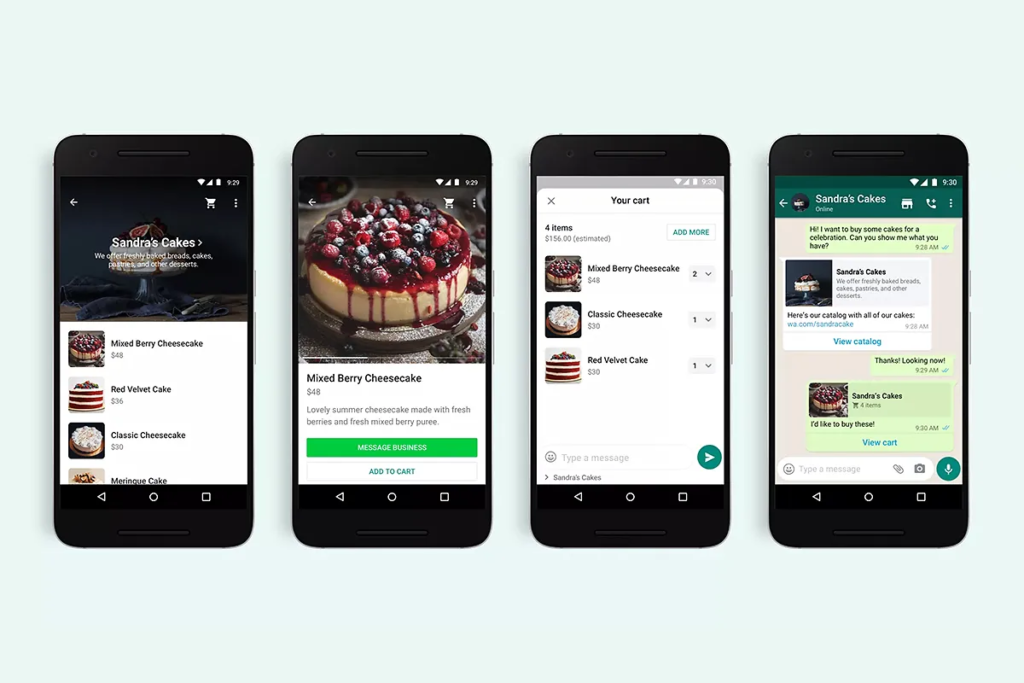
- Product Catalogs: Showcase your inventory with images and prices.
- Quick Replies: Save text snippets for frequently asked questions (e.g., “What are your delivery fees to CBD?”).
- Labels: Organize chats by customer status (e.g., New Order, Pending Payment, Dispatched).
2. The WhatsApp Business API
If your online business deals with hundreds of inquiries daily, you need the WhatsApp Business API. This is designed for medium-to-enterprise businesses and requires integration with third-party software.
- Multi-Agent Access: Multiple customer service reps can answer chats from the same number.
- Advanced Automation: Build sophisticated chatbots to handle initial inquiries.
- Mass Broadcasting: Send personalized notifications to thousands of opted-in users without the risk of being blocked.
Step 2: Building Your WhatsApp Audience (Legally and Ethically)
One of the biggest mistakes businesses make is buying phone number lists. Not only does this violate Kenya’s Data Protection Act (2019), but it also leads to people reporting your number as spam.
Here is how to build a high-quality list of contacts who actually want to buy from you:
- Click-to-WhatsApp Ads: Run Facebook and Instagram ads where the Call-To-Action (CTA) button opens a WhatsApp chat with your business. This is currently one of the highest-converting ad formats for the Kenyan market.
- Website Widgets: Add a floating WhatsApp button to your website. When a visitor has a question about a product, they can instantly message you.
- Lead Magnets: Offer a discount code or a free digital resource (like an eBook) in exchange for their WhatsApp number.
- Social Media Bio Links: Use tools like Wa.link to create a custom WhatsApp link and place it in your Instagram, TikTok, and X (formerly Twitter) bios.
Step 3: Crafting High-Converting WhatsApp Marketing Campaigns
Once you have an audience, it’s time to engage them. Your WhatsApp marketing campaigns should feel personal, not like corporate spam.
Maximize WhatsApp Status
WhatsApp Status is essentially Instagram Stories for WhatsApp. It is a highly underutilized tool for driving organic sales.
- Post Behind-the-Scenes Content: Show how you package orders or source products. Kenyans value authenticity.
- Flash Sales: Post exclusive 24-hour discounts available only to your Status viewers.
- Customer Testimonials: Share screenshots (with permission and blurred numbers) of happy customers receiving their goods via local couriers like Fargo Courier or Sendy.
Optimize Your WhatsApp Catalog
Your catalog is your mobile storefront. Make sure every product has:
- High-quality, well-lit photos.
- Clear pricing in Kenya Shillings (KES).
- Detailed descriptions including sizes, colors, and availability.
- A direct link to your website for checkout, or clear instructions on how to pay directly via chat.
Use Broadcast Lists Strategically
A broadcast list allows you to send a single message to up to 256 people, but it appears as a private message to them. Note: They must have your number saved in their contacts to receive it.
- Segment your lists: Create separate lists for “VIP Customers,” “Nairobi Customers,” and “Upcountry Customers.”
- Timing matters: Send broadcasts when Kenyans are most likely to check their phones, typically around 7:00 AM, 1:00 PM (lunch break), and 8:00 PM.
Step 4: Localizing Your Strategy for the Kenyan Market
To truly succeed, your strategy must resonate with the local culture.
1. Integrate M-Pesa Seamlessly
Trust is a major factor in Kenyan e-commerce. Always provide clear Payment options. Share your M-Pesa Till Number or Paybill Number clearly.
- Pro Tip: Use the best WhatsApp marketing tools like WATI or Interakt, and integrate them with payment gateways (like PesaPal or IntaSend) so customers can receive automated payment prompts and receipts directly in WhatsApp.
2. Speak the Language
While English is the primary language of business, mixing in a bit of conversational Swahili or universally understood Sheng (Kenyan urban slang) can make your brand feel more relatable and approachable. E.g., starting a broadcast with “Sasa! Check out our new arrivals…” or “Kitu fresh for the weekend!”
3. Clear Delivery Logistics
Delivery in Kenya often relies on landmarks rather than zip codes. Be upfront about delivery logistics. Clearly state if you use local bodaboda (motorcycle) riders for same-day Nairobi deliveries or matatu SACCOs for upcountry parcels.
Step 5: Automating Your Sales Funnel
As your online business grows, answering the same questions repeatedly becomes a bottleneck. Automation is the key to scaling how to sell on WhatsApp.
- Welcome Messages: Automatically greet new customers and let them know when you will respond.
- Away Messages: If a customer messages you at 2:00 AM, an automated message should inform them of your business hours.
- Chatbots: Using the API, you can build a menu-based chatbot. When a customer messages, they get a menu:
- Reply 1 for New Arrivals
- Reply 2 for Delivery Fees
- Reply 3 to Speak to an Agent
This filters out low-intent inquiries and saves your team hours of manual work.
Step 6: Tracking and Measuring Success
A great strategy relies on data. While WhatsApp’s native analytics are basic, they still offer insights into messages sent, delivered, and read. If you use third-party CRM tools linked to the API, you can track:
- Conversion Rates: How many chats resulted in a completed M-Pesa payment?
- Response Times: How quickly is your team replying to inquiries?
- Customer Retention: How many customers are making repeat purchases via WhatsApp?
How to Start Marketing on WhatsApp in Kenya Summary
- Download WhatsApp Business or connect to the WhatsApp Business API.
- Build a contact list using Click-to-WhatsApp Facebook ads and social media links.
- Set up a Product Catalog with clear pricing in KES.
- Share daily updates using WhatsApp Status to engage customers organically.
- Integrate M-Pesa for seamless and trusted local payments.
- Provide clear delivery logistics for Nairobi and upcountry locations.
- Use broadcast lists to announce flash sales and new arrivals.
Frequently Asked Questions (FAQs)
Q: Is it legal to send promotional messages on WhatsApp in Kenya?
A: Yes, but only if the customer has explicitly opted in to receive messages from you. Sending unsolicited messages violates WhatsApp’s commerce policy and Kenya’s data protection laws.
Q: Can I integrate my website’s checkout with WhatsApp?
A: Absolutely. Many e-commerce platforms like Shopify and WooCommerce have plugins that allow customers to send their cart directly to your WhatsApp to finalize payment and delivery details.
Q: How much does the WhatsApp Business API cost?
A: Pricing depends on the official WhatsApp Solution Provider (BSP) you choose (like Twilio, WATI, or MessageBird). Meta charges per conversation, and there is usually a monthly subscription fee for the software interface.
Q: What is the difference between a WhatsApp Group and a Broadcast List?
A: In a Group, all members can see each other’s phone numbers and (usually) chat with one another. In a Broadcast List, your message is sent individually, protecting user privacy and keeping the conversation one-on-one. For e-commerce, broadcast lists are generally better.
Conclusion
Creating a successful WhatsApp marketing strategy for the Kenyan market requires more than just sending blast messages. It requires a deep understanding of conversational commerce, local payment habits, and customer service automation.
By leveraging the WhatsApp Business App or API, optimizing your catalogs, and utilizing tools that streamline M-Pesa payments, you can build a highly profitable online business that connects with Kenyans exactly where they love to chat.
Start small, focus on building an authentic audience, and watch your conversion rates soar.